It usually starts with a single winter that felt too long. A couple who had wintered in Naples for years finally asked the question out loud: why are we still shoveling snow in April? For a growing number of owners, the second home is quietly becoming the only home — and a house set up for a few months a year needs some rethinking before it works for all twelve. Here is a roadmap for that shift.
A part-time house is furnished, not lived in
A seasonal place is often set up for guests and short stays: a formal dining room nobody uses, a galley kitchen that was fine for takeout, a primary bath with a tub you stepped into twice. Living somewhere full-time exposes all of it. The first step is not design — it is honesty. Spend a few weeks paying attention to what actually frustrates you day to day, and write it down. That list is your real brief.
The kitchen usually goes first
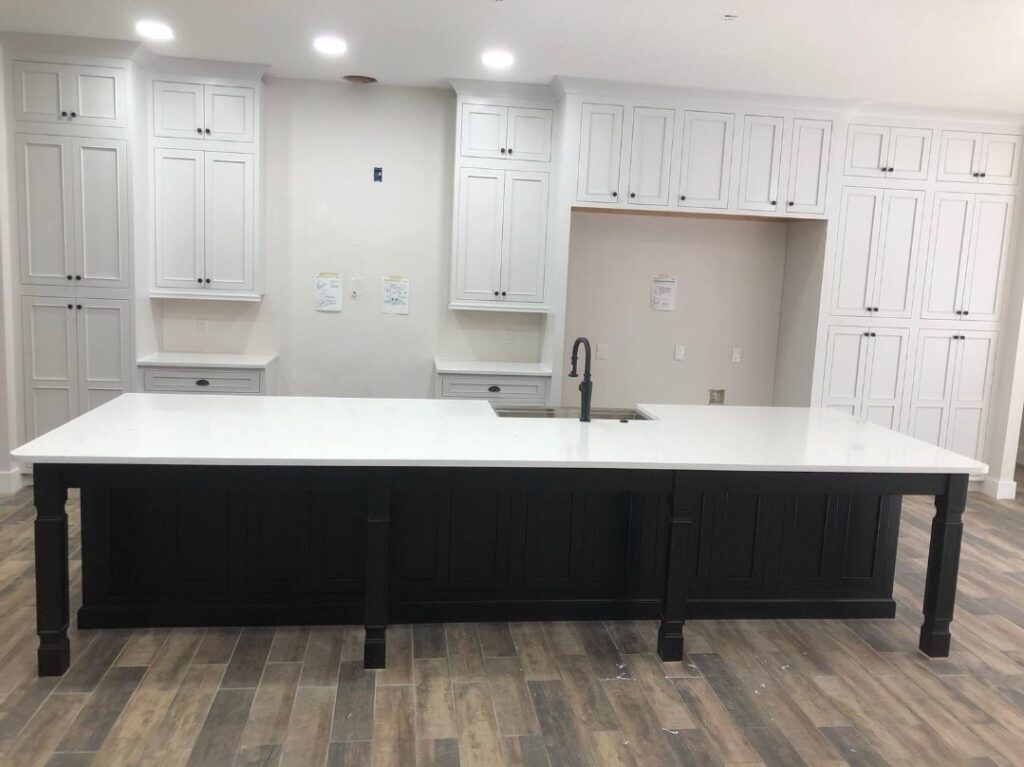
When a house becomes home, the kitchen carries a new load. You are cooking real meals, hosting family who now visit longer, and living in the space instead of passing through it. This is why the kitchen tops most full-time-conversion projects: better storage, an island that seats people, a layout built for everyday cooking rather than the occasional reheated dinner.
Comfort for the long haul
Living here year-round means designing for the next decade, not the next season:
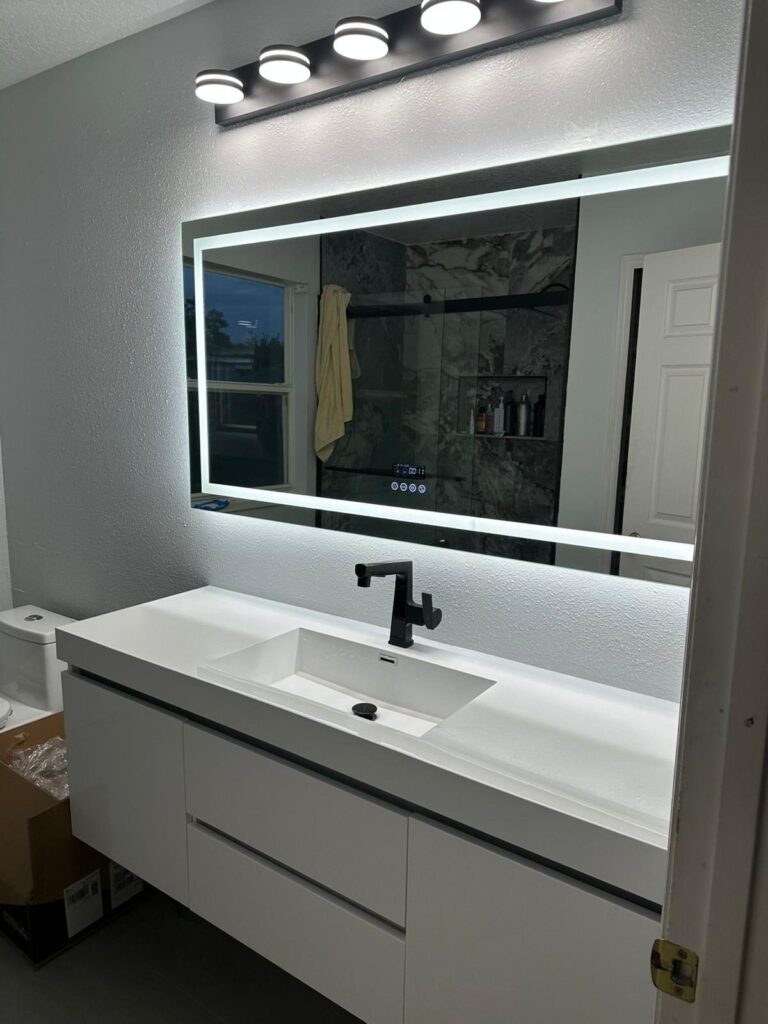
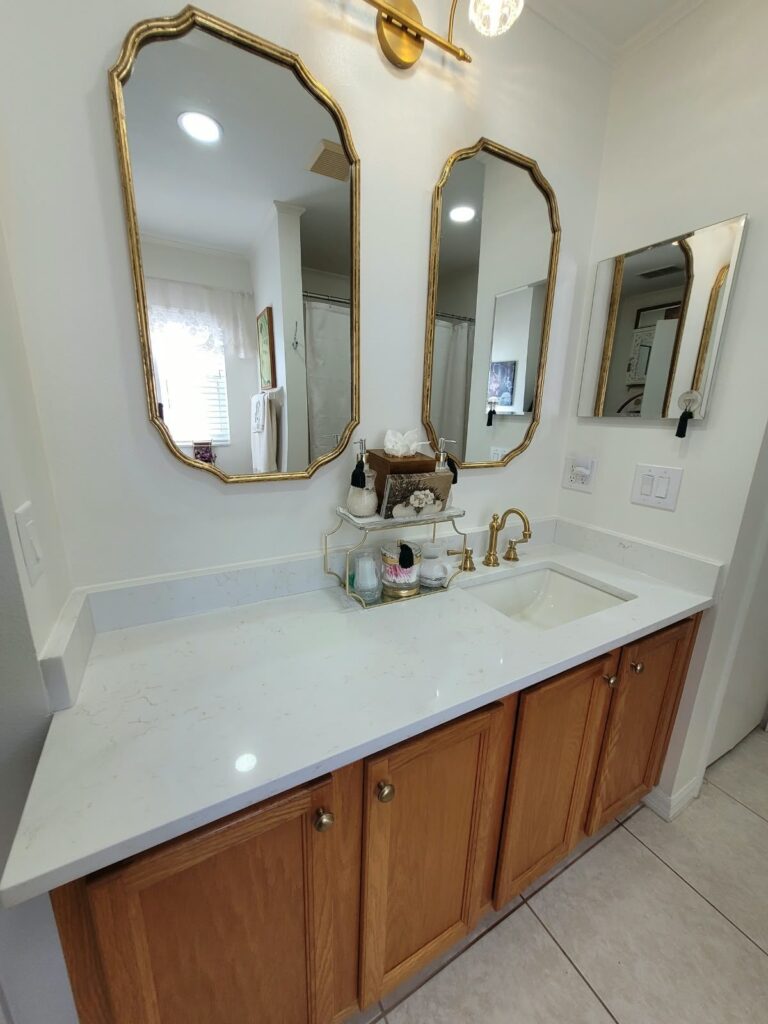
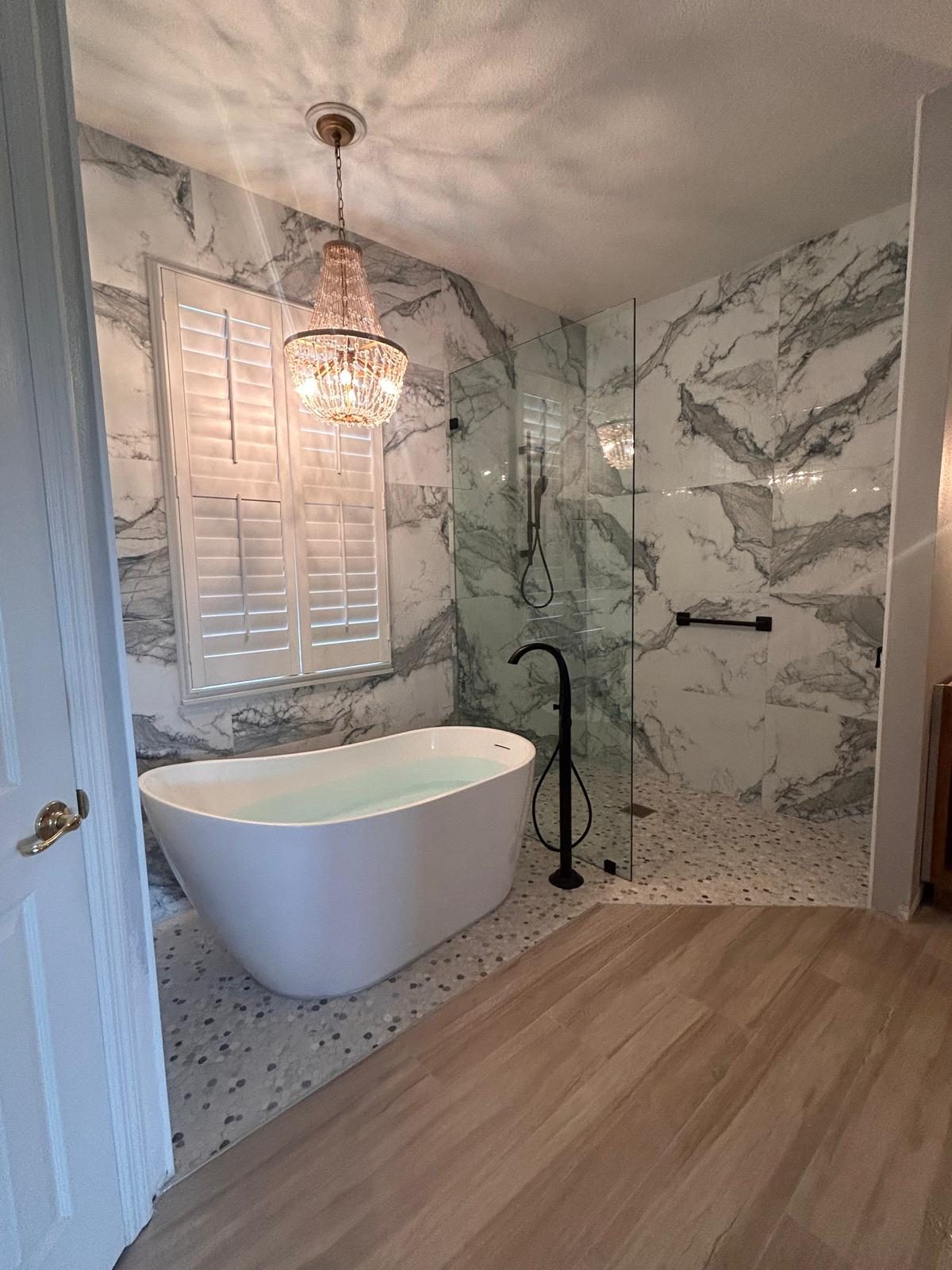
- A primary bath that works as you age — a walk-in shower, better lighting, a comfortable vanity height.
- Flooring that is cool, cleanable, and easy on the feet all day.
- Storage for a full life, not a suitcase — closets, a pantry, a place for everything you moved down.
- Lighting that feels warm in the evening, not just bright at midday.
Build for the climate you now live in
A few months of Gulf humidity is one thing; a full year is another. Full-time living makes durable, coastal-appropriate finishes matter more — surfaces and cabinetry that shrug off humidity, and exterior elements that hold up to sun and salt. It is also the moment many owners finally address the things a seasonal owner tolerates: dated windows, tired flooring, an A/C system working overtime.
Phase it, or do it while you are still north
You have two good options. Phase the work room by room as you settle in, or — if you are making the move over a summer — do the bigger projects while you are still up north and arrive to a finished home. Either way, get the disruptive work (kitchen, primary bath, flooring) done early, so you are not living through demolition after you have already committed to the place.
Make the house feel like yours
The deepest part of this shift is emotional. A vacation house can borrow someone else’s taste; a home cannot. The owners who are happiest with the change are the ones who let the house become genuinely theirs — their light, their kitchen, their mornings — rather than a slightly nicer version of the rental it used to be. That is what turns a Florida address into home.
Do not forget the systems and the exterior
A house lived in full-time asks more of everything mechanical. The A/C that coasted through a few months of use now runs hard year-round, and windows, the roof, and insulation matter far more when you are here in August. Before you spend the whole budget on a beautiful kitchen, make sure the systems and the building envelope are sound — comfort and low utility bills over a full Florida year depend on the parts you do not see as much as the ones you do.
Own a seasonal home here? See how we handle remodels for owners who are away in Naples, Marco Island, Estero, and Bonita Springs.
However you decide to go about it, we hope this leaves you with a clearer, calmer path forward — that is the real point of writing it. A&E24 Renovations is Enmanuel and Ashley, a small family team based in Naples. If you would like a second set of eyes on a full-time conversion, you are welcome to reach out any time, no pressure either way.