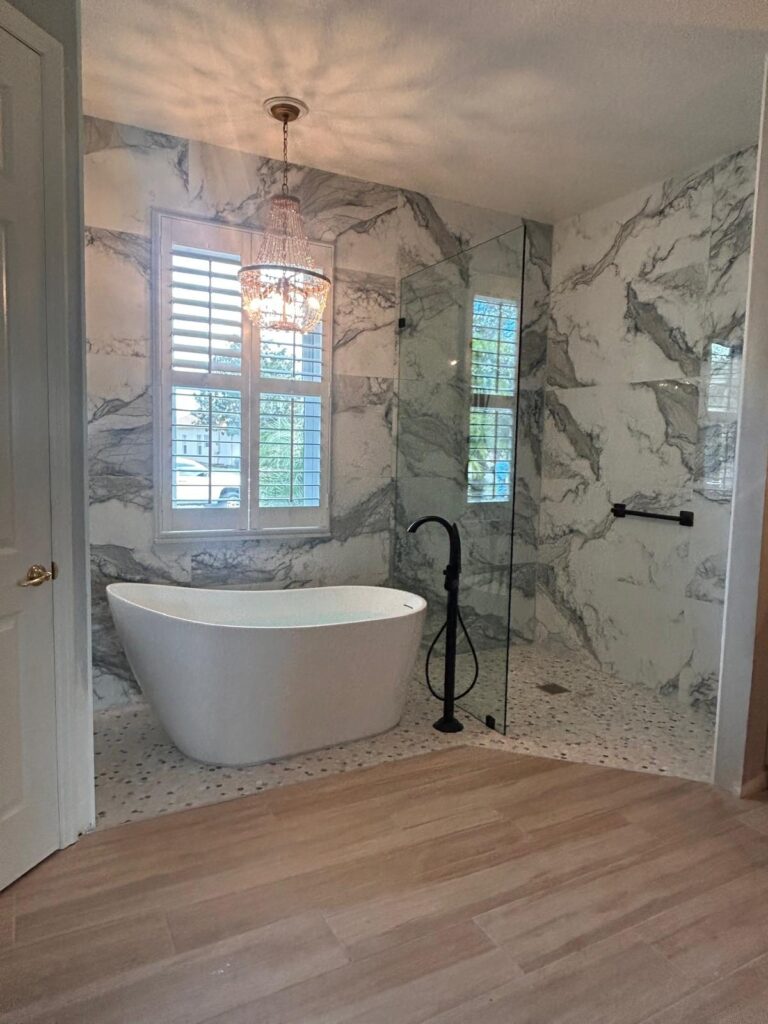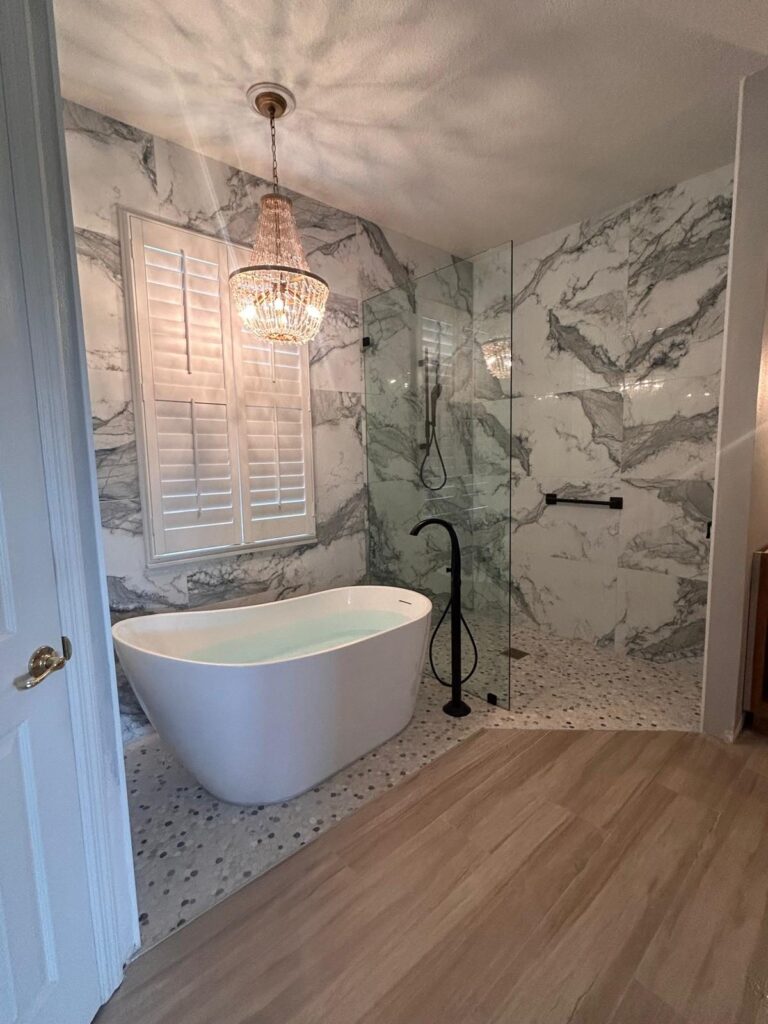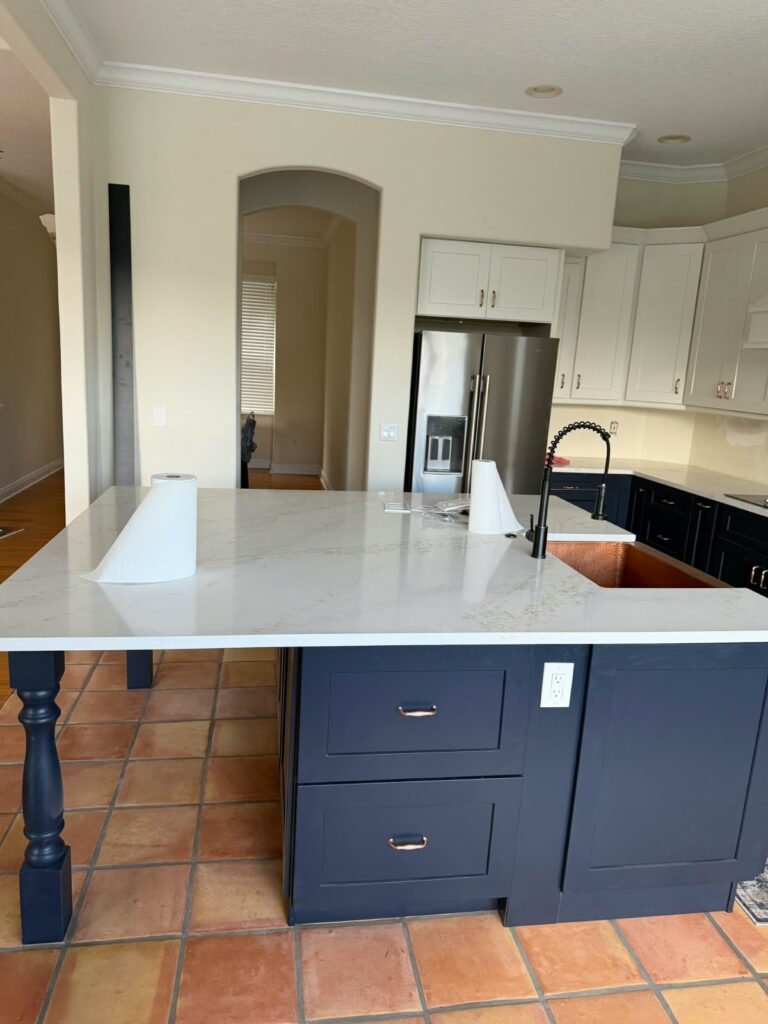
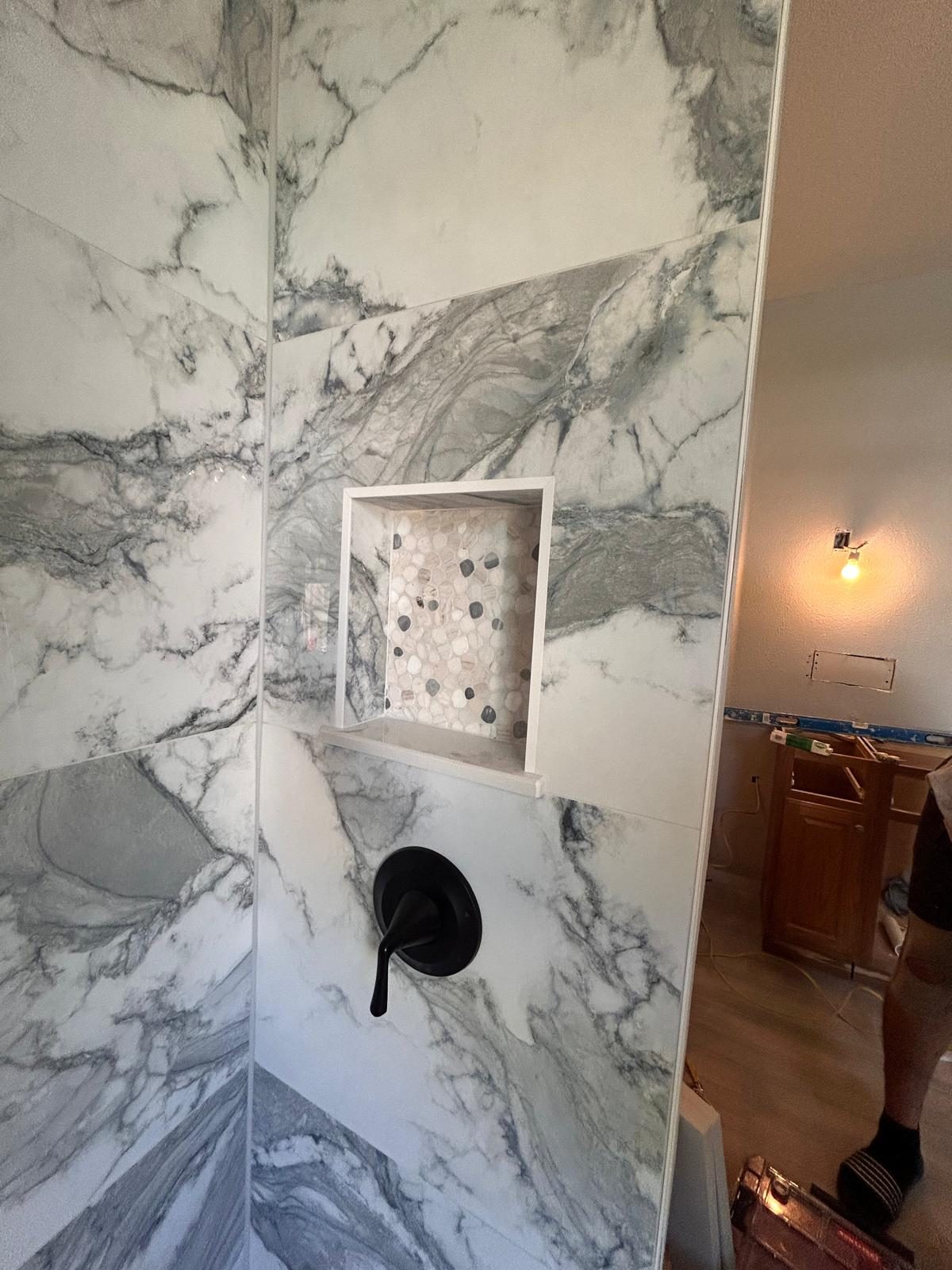
Most homeowners should budget a renovation contingency of 10 to 15 percent of the project cost, held in reserve and not spent on finishes. Lean toward the top of that range for older homes, bathrooms, and any project that opens walls or floors. If your remodeler gives you one fixed price and a detailed scope in writing before work begins, the contingency mostly protects you from your own changes and the costs that sit outside the contract.
A contingency is not pessimism. It is what lets you make calm decisions halfway through a project instead of panicked ones. Here is how to size it, what it usually ends up paying for, and how to keep most of it in your pocket.
What is a renovation contingency, exactly?
A contingency is money you set aside on top of the agreed project price for things nobody can fully predict. It is different from an allowance. An allowance is a placeholder inside the price, such as a set amount for a light fixture you have not chosen yet. A contingency sits outside the price, in your account, and only comes out if something genuinely needs it.
The most common mistake is treating the contingency as part of the design budget. If you have already mentally spent it on a nicer backsplash, it is not a contingency anymore.
How much contingency should you budget?
The 10 to 15 percent range is a sensible planning rule for most Southwest Florida projects. Where you land inside it depends on a few things:
- Age of the home. A house or condo from the 1980s or earlier is more likely to hide old plumbing, past water damage, or wiring that has been patched over the years.
- How much gets opened up. Painting and new hardware carry little risk. Tearing out a shower or a kitchen floor carries much more.
- Room type. Bathrooms tend to hide more surprises than any other room, because water has had years to find its way into the subfloor and walls.
- Decisions still open. If you have not finalized tile, counters, and fixtures, there is more room for the number to move.
For overall project ranges, see our guide to what a kitchen remodel really costs in Naples; this article only deals with the reserve you hold on top.
What does a contingency usually end up paying for?
In practice, the money tends to go to the same handful of things:
- Hidden conditions. Rotted subfloor under a tub, a corroded supply line, or old water damage behind tile. Plumbing, electrical, and structural repairs should always go to a licensed plumber, electrician, or structural engineer.
- Your own changes. Seeing the room come together and deciding you do want the larger shower niche or the extra pendant.
- Upgrades past an allowance. Falling in love with a faucet or slab that costs more than the placeholder.
- Costs outside the contract. Appliances you buy yourself, new furniture, window treatments, storage, or a short stay elsewhere while the kitchen or only bathroom is out of service.
- Building requirements. In condos, association rules about protection, work hours, or deposits can add cost you did not plan for.
Does a fixed-price contract mean you don’t need a contingency?
A fixed price shrinks the contingency you need, but it does not make it zero. A true fixed price covers the agreed scope. It cannot cover changes you decide to make later, or the items you are buying yourself.
Before you sign anything, ask any remodeler how their contract handles conditions nobody could see before demolition. The answer should be written down, not explained verbally. A&E 24 Renovations works on one fixed price and scope in writing before work begins, so surprise change orders do not land on you mid-project. You can read how that works on our page about an owner-led, fixed-price remodel.
How can you avoid spending your contingency?
Most contingency spending is preventable with planning before the first wall comes down:
- Make your selections early. Tile, counters, fixtures, and hardware chosen before the price is set leave little to drift.
- Get a specific scope. “Update bathroom” can mean anything. A list of exact work items means the same thing to everyone.
- Look before you price. Soft spots in the floor, stains on the ceiling below, or a musty vanity cabinet are clues. Investigating them early is cheaper than discovering them mid-job.
- Resist changes during construction. Changes made after work starts almost always cost more than the same choice made at the planning table.
- Choose materials that are in stock. A backordered tile can force a rushed, more expensive substitute.
This is why our bathroom remodeling process spends real time on selections and scope before anything is priced.
Where should you keep the money?
Keep the contingency separate from the money you have earmarked for the project itself, ideally in a different account. That way you can see clearly whether you have touched it. If you are financing the project, plan the contingency into the loan amount or your savings from the start, so you are not scrambling for funds while a room sits open.
Seasonal owners have an extra reason to plan this way. When you are up north and a decision comes in by email with photos, having the reserve already set aside means you can say yes or no quickly without holding up the work.
What if you don’t use it?
That is the best outcome, and it happens more often on well-planned projects. Many homeowners put the unused reserve toward the next room, new furniture, or simply keep it. A kitchen remodel that finishes on budget with the contingency intact is a sign the planning worked, and it is a big part of how we approach every kitchen remodel.
Whether you are planning in Naples or comparing options for remodeling in Fort Myers, building the reserve in from day one is one of the simplest ways to protect both your budget and your peace of mind.
Frequently asked questions
How much contingency should I budget for a renovation?
Do I need a contingency with a fixed-price contract?
What is the difference between an allowance and a contingency?
Planning a project nearby? See how we handle remodeling in Estero and remodeling in Ave Maria.
However big or small your project, we hope this makes the money side feel a little more predictable. A&E24 Renovations is Enmanuel and Ashley, a small family team based in Naples. If you would like help thinking through a budget, you are welcome to reach out, no pressure either way.