The most expensive remodeling mistakes happen before anyone picks up a hammer: starting with a vague scope, choosing finishes after demolition begins, skipping a look at what is behind the walls, and planning the work around the wrong season. Every one of those decisions turns into change orders, delays, or a room you redo in five years. The good news is that all of them are avoidable with a few weeks of honest planning.
Here are the mistakes we see most often in Southwest Florida homes, why they cost so much, and what to do instead.
Why do most remodeling budgets go wrong before construction starts?
Because the price you agree to is only as solid as the decisions behind it. When a plan says “new tile” instead of naming the tile, or “relocate sink as needed” instead of drawing where it goes, the real cost is still undecided. It gets decided later, mid-project, when you have the least leverage and the most pressure to say yes.
A remodel in Naples or Fort Myers also has local wrinkles: condo association rules, gated-community access, permit offices that differ from one town to the next, and seasonal owners who are not around to make quick calls. Each one adds a step that is cheap to plan for and expensive to discover.
Mistake 1: Starting with a vague scope
A vague scope is the root of most surprise bills. If the written plan does not say exactly what is being removed, what is being installed, and what grade of material goes in, every gap becomes a future conversation about money.
Before work begins, your scope should name:
- Every room and surface included, and the ones that are not.
- Specific products or clearly defined material grades, not just “allowances.”
- Whether plumbing fixtures, lights, or walls are moving.
- Who is responsible for repairs to drywall, baseboards, and paint around the work area.
Whether you are planning a full kitchen remodel or one bathroom, a page of specifics now is worth more than any discount later.
Mistake 2: Picking finishes after demolition
It feels efficient to start demo and “figure out the tile while they work.” In practice, it is one of the costliest habits in remodeling. Crews wait, the schedule slips, and a rushed choice often lands on whatever is in stock rather than what you wanted. Some materials, like specialty tile, custom vanities, or stone slabs, can take weeks to arrive.
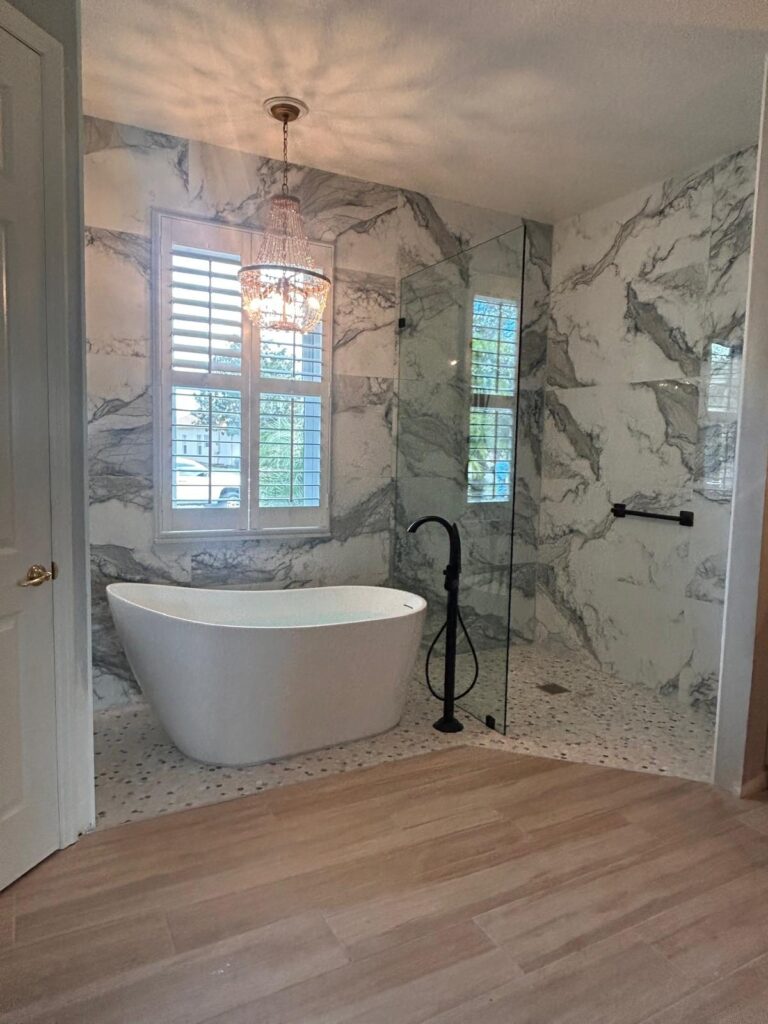
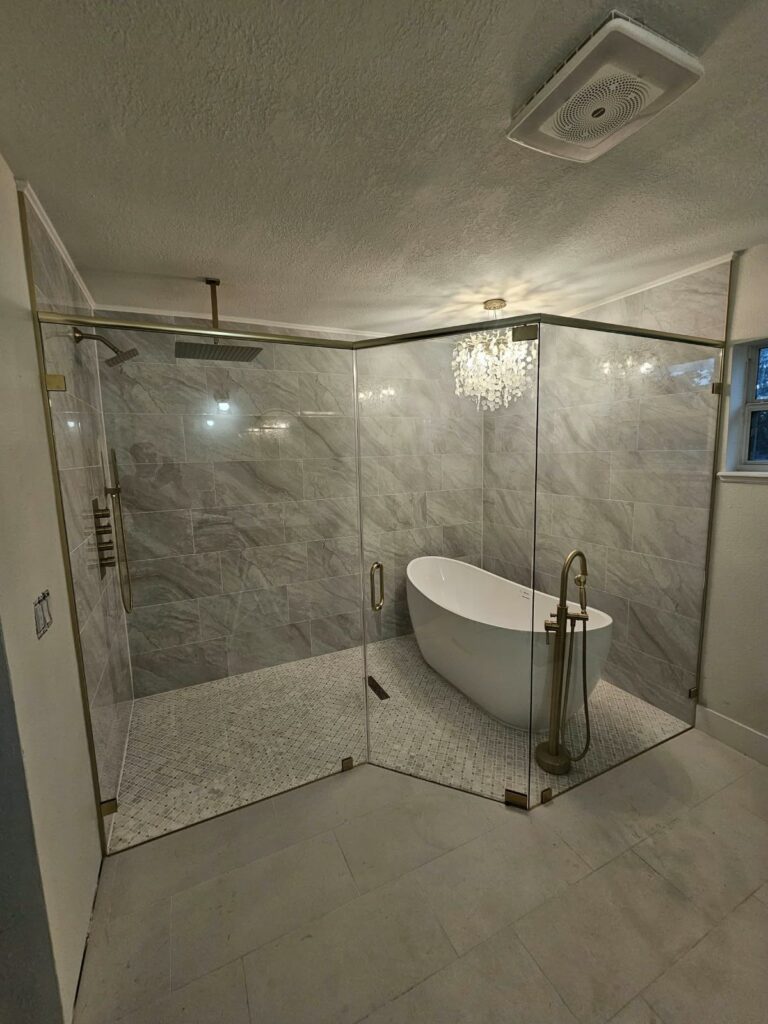
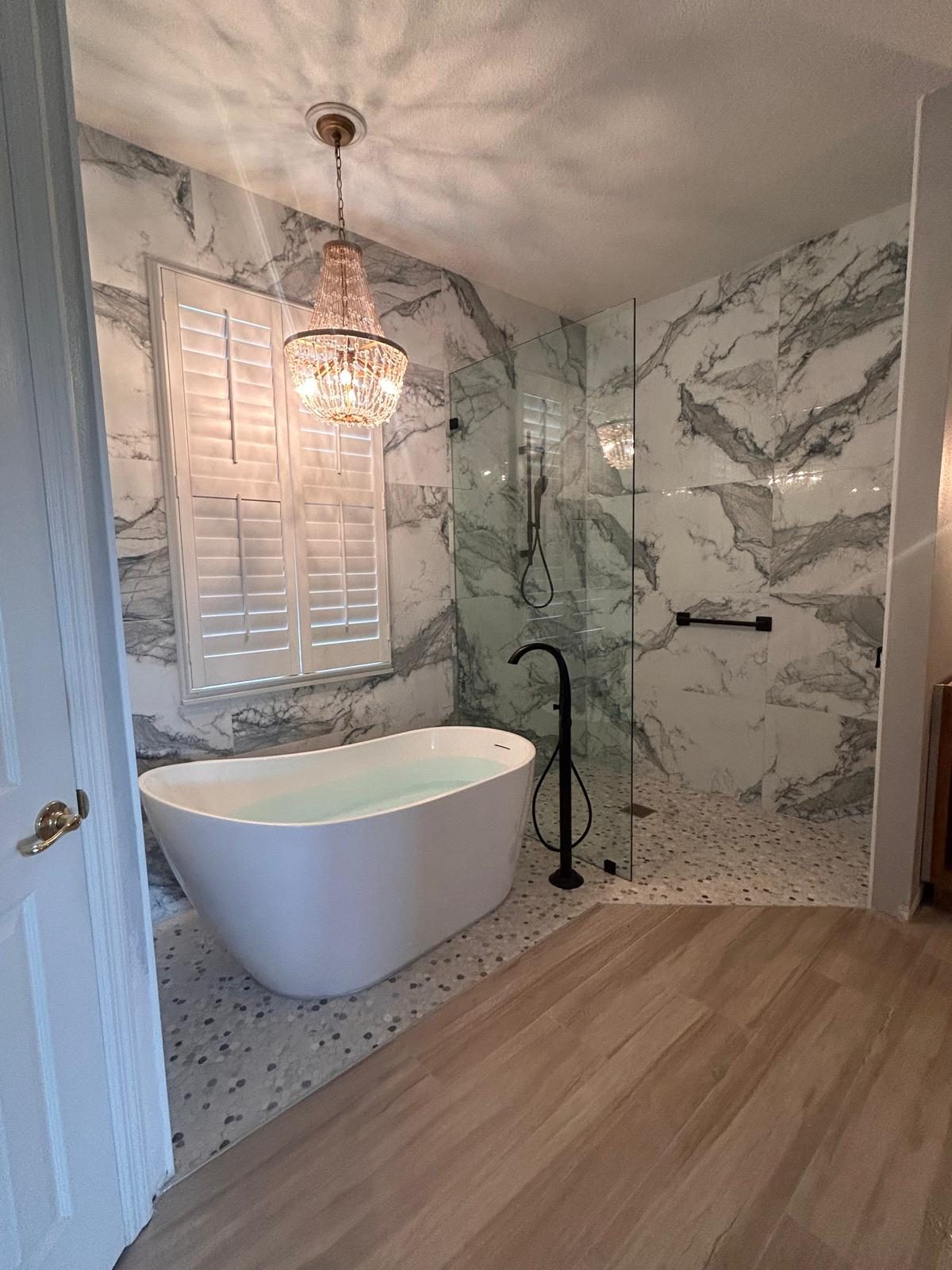
Make your selections before the start date: tile, grout color, fixtures, vanity, counters, hardware, and paint. In a bathroom remodel, the shower valve and drain location also need to be settled early, because they are built into the wall and floor long before the tile goes up.
Mistake 3: Ignoring what is behind the walls
Many homes in Southwest Florida were built on concrete slabs in the 1980s, 1990s, and early 2000s. Opening a wall or pulling up a floor can reveal old shut-off valves, a slow leak under a vanity, rotted subfloor near a toilet, or wiring that does not meet current code. None of that is a disaster on its own, but it is a disaster for the budget if nobody planned for it.
Two habits help:
- Ask for a walkthrough focused on the hidden stuff: water stains, soft spots, musty cabinets, loose tile, and the age of the water heater and supply lines.
- Hold a contingency of ten to fifteen percent for what cannot be seen until demolition, especially in older homes.
If something serious turns up, like a leak in the slab or a question about a wall, the right person to call is a licensed plumber or a structural engineer, not a guess from the person holding the pry bar.
Mistake 4: Moving plumbing and walls without counting the cost
Moving a sink across the kitchen or taking out a wall is often where a reasonable budget turns into a large one. On a slab, relocating a drain can mean cutting concrete. Removing or changing a wall may raise structural questions that only an engineer can answer. Work that moves plumbing, electrical, or walls usually needs a permit, and those go through the City of Naples, Collier County, Lee County, or your local town office depending on your address.
That does not mean never move anything. It means decide early, on paper, whether the new layout is worth it. Very often, a sensible existing layout with better finishes and lighting gives you most of what you wanted for much less. That is especially true in the newer homes common in remodeling projects around Naples, where the floor plan already works and the finishes are what feel dated.
Mistake 5: Hiring on the lowest number
The lowest quote often leaves out the expensive parts: disposal, drywall repair, the backsplash, the trim, the paint. It looks like savings until the first change order. Compare bids on scope, not on the bottom line, and read the contract closely before signing. Our guide to the red flags to watch for before signing a remodeling contract covers what to look for in the paperwork.
Mistake 6: Planning around the wrong season
In Southwest Florida, timing matters more than most places. During season, roads are busy, condo buildings often restrict noisy work, and schedules fill up. Many associations limit construction to certain months or hours. Summer brings afternoon storms and heat, but it is also when seasonal owners are away and buildings are quieter.
Before you set a start date, check three things: your association’s work rules, how long your materials take to arrive, and whether you will be living in the home during the work. Getting those wrong does not just delay the project; it can stall it entirely after demo.
The way to avoid all six is simple, even if it takes some patience: settle the scope, make the selections, and get one price tied to that specific scope, in writing, before anything is torn out. That is how A&E 24 Renovations works. Owners Enmanuel and Ashley meet you in your home, walk through selections with you, and give you one fixed price and scope before demolition, with no surprise change orders. If you want to see how that plays out step by step, our page on a fixed-price, owner-led remodel in Naples and Fort Myers walks through it.
Whoever you hire, the principle holds. The remodel you plan carefully is almost always the one that finishes on budget.
Frequently asked questions
What is the most common remodeling mistake?
How much contingency should I hold for a remodel?
Should I choose my finishes before demolition starts?
Is moving plumbing in a Florida slab home expensive?
Planning a project nearby? See how we handle remodeling in Bonita Springs and remodeling in Fort Myers.
However you decide to go about it, we hope this helps you start your project with fewer surprises — that is the real point of writing it. A&E24 Renovations is Enmanuel and Ashley, a small family team based in Naples. If you would like a second set of eyes on a plan before work begins, you are welcome to reach out any time, no pressure either way.