If your house smells musty in Florida, the cause is almost always moisture: indoor humidity that stays too high, a slow hidden leak, or a space that does not get enough air. That earthy smell usually comes from mildew or mold growing where damp meets something it can feed on, such as drywall, carpet pad, wood, or dust. Find and stop the moisture source first, and the smell usually goes with it.
Here is how to track down where it is coming from, what you can safely do yourself, and when it is time to call in a professional.
What causes a musty smell in a Florida house?
Southwest Florida air holds a lot of water for much of the year. Inside a home, that moisture becomes a problem when it lingers. The most common culprits are:
- High indoor humidity. When indoor relative humidity stays above roughly 60 percent, mildew can start on closet walls, behind furniture, and in fabric.
- A closed-up home. Seasonal homes left with the air conditioning set too high, or turned off, can turn musty within weeks.
- Slow plumbing leaks. A drip under a sink, a weeping toilet seal, or a supply line that sweats can soak a cabinet floor or subfloor without ever making a puddle.
- Bathroom moisture. Showers without a working exhaust fan, or a shower that leaks through cracked grout, keep walls damp.
- AC and duct issues. A clogged condensate line, a dirty air handler, or ducts sweating in a hot attic can spread the smell through the whole house.
- Carpet on a slab. Concrete slabs can wick moisture up into carpet pad, which holds it and starts to smell.
Where should you look first?
Use your nose like a detector. Walk the house slowly, and notice where the smell gets stronger. Then check the usual hiding spots:
- Under the kitchen and bathroom sinks. Look for a warped or stained cabinet floor, soft particleboard, or white powder on pipes.
- Around the base of each toilet. Press gently on the floor nearby; it should feel solid.
- Inside closets on exterior walls, especially behind stored boxes.
- The air handler closet. Check that the drain pan is dry and the filter is clean.
- Bathroom walls and ceilings, near the shower and the tub.
- Under area rugs and in the corners of carpeted rooms.
A simple hygrometer, available at most hardware stores, tells you the indoor humidity. If it consistently reads above 60 percent, humidity itself is likely part of the problem.
Is a musty smell the same as mold?
Not always, but they are closely related. A musty odor comes from compounds released by mildew and mold as they grow. You can have the smell without visible growth, because the growth may be inside a wall, under flooring, or inside a cabinet base. Visible spots on a bathroom ceiling are often surface mildew. Larger patches, spots that return after cleaning, or growth on drywall or wood suggest the problem goes deeper.
If you see growth larger than a small patch, or the smell persists after you have fixed the obvious moisture, call a licensed mold assessor. They can test, find the source, and tell you what needs to happen next. Mold removal itself should be handled by a qualified mold remediation company, not by a remodeler.
What can you safely do yourself?
Most musty smells improve with a few simple steps:
- Set the air conditioning to keep the home cool and dry, and avoid turning it off in summer, even when you are away.
- Run bathroom exhaust fans during every shower and for about 20 minutes after.
- Replace the AC filter and keep the condensate drain clear.
- Run a dehumidifier in a problem room and empty it often.
- Clean small surface mildew on hard, non-porous surfaces with a household cleaner, and dry the area well.
- Pull stored items a few inches away from exterior walls so air can move.
Avoid tearing into walls or flooring yourself if you suspect hidden growth. Disturbing it can spread spores through the house.
When is a musty smell a sign of a bigger problem?
Call a professional if you notice any of these:
- A smell that keeps coming back after cleaning and drying.
- Soft, swollen, or stained flooring or cabinet bottoms.
- Water stains on ceilings or walls, or peeling paint near the floor.
- A water bill that rises without explanation, which can point to a hidden leak.
- Family members with new allergy or breathing symptoms indoors.
For leaks, a licensed plumber can find and repair the source, including under-slab leaks. For an AC or duct problem, call a licensed HVAC company. For growth, a licensed mold assessor is the right first call.
How do seasonal owners prevent a musty house?
If you spend part of the year up north, the months the house sits closed are the riskiest. Keep the AC running with a sensible setting, consider a smart thermostat or humidity sensor you can check remotely, and have someone walk through on a regular schedule. A Home Watch company is built for exactly that; our guide on Home Watch and who is in your house while you are away explains how those visits work.
When does a remodel make sense after a moisture problem?
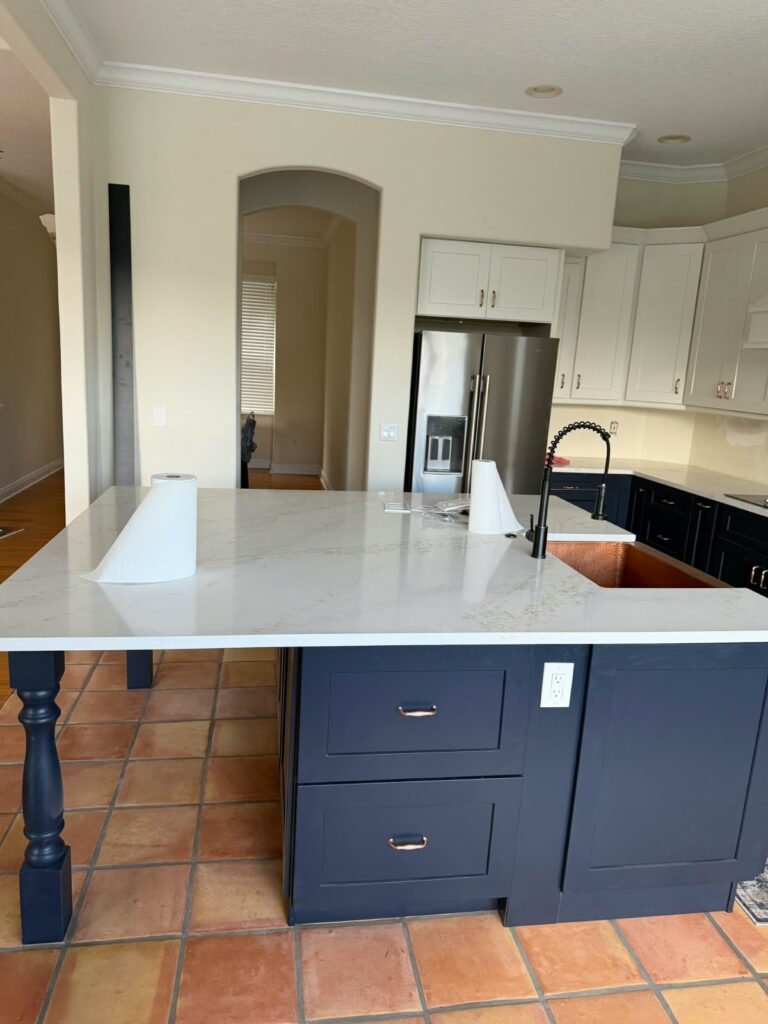
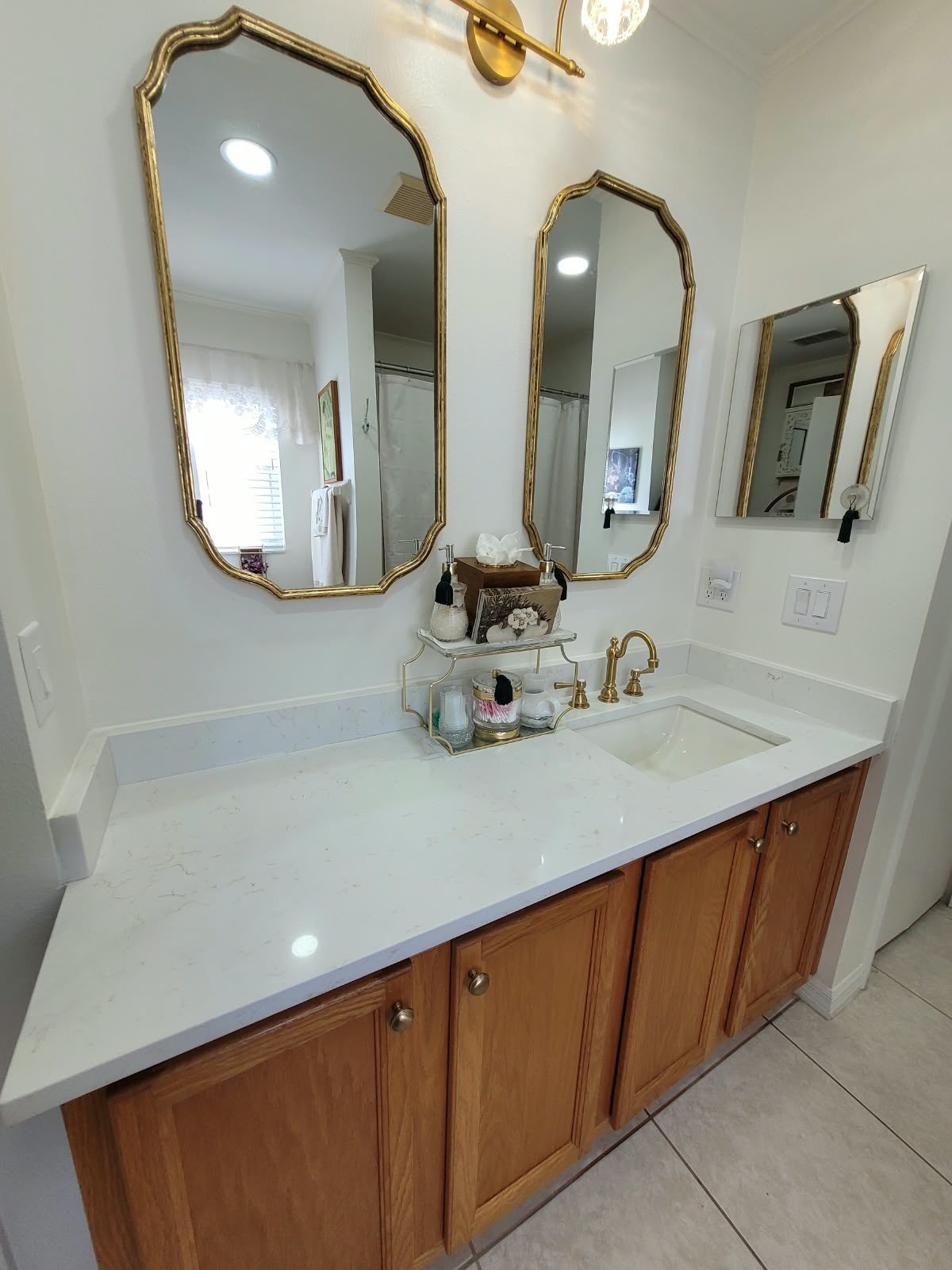
Once the leak is fixed and any mold has been properly handled by the right professionals, you may be left with a ruined vanity, stained flooring, or a shower that needs rebuilding. That is the point where a remodeler comes in, and it is a chance to choose materials that hold up better in Gulf humidity.
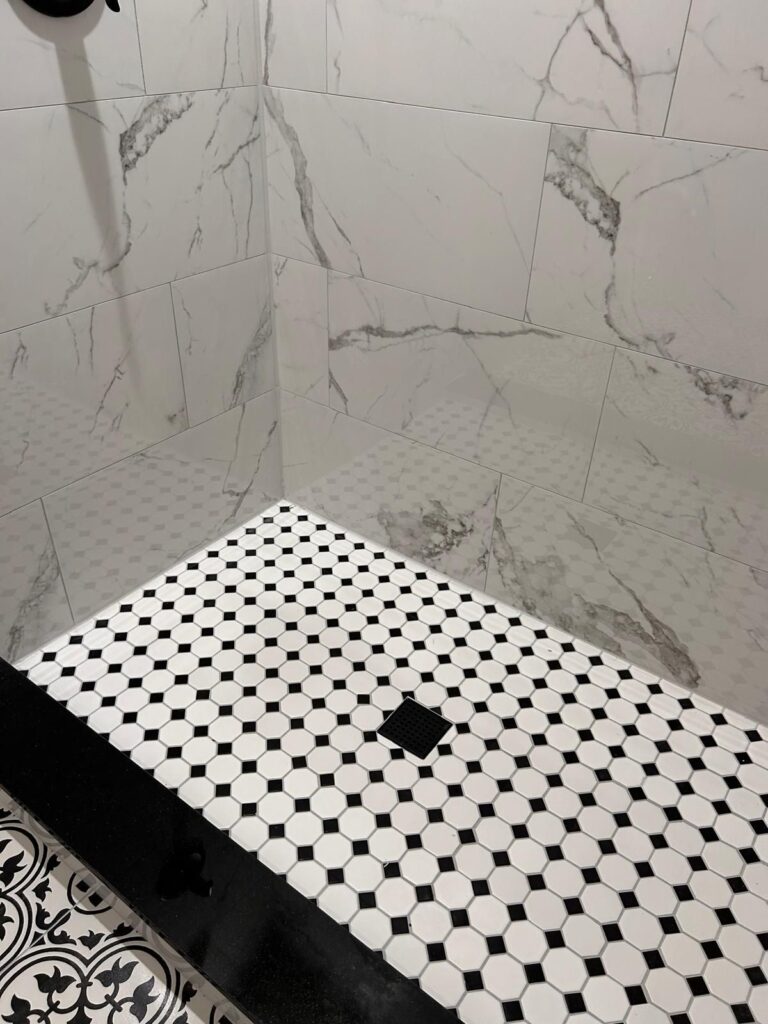
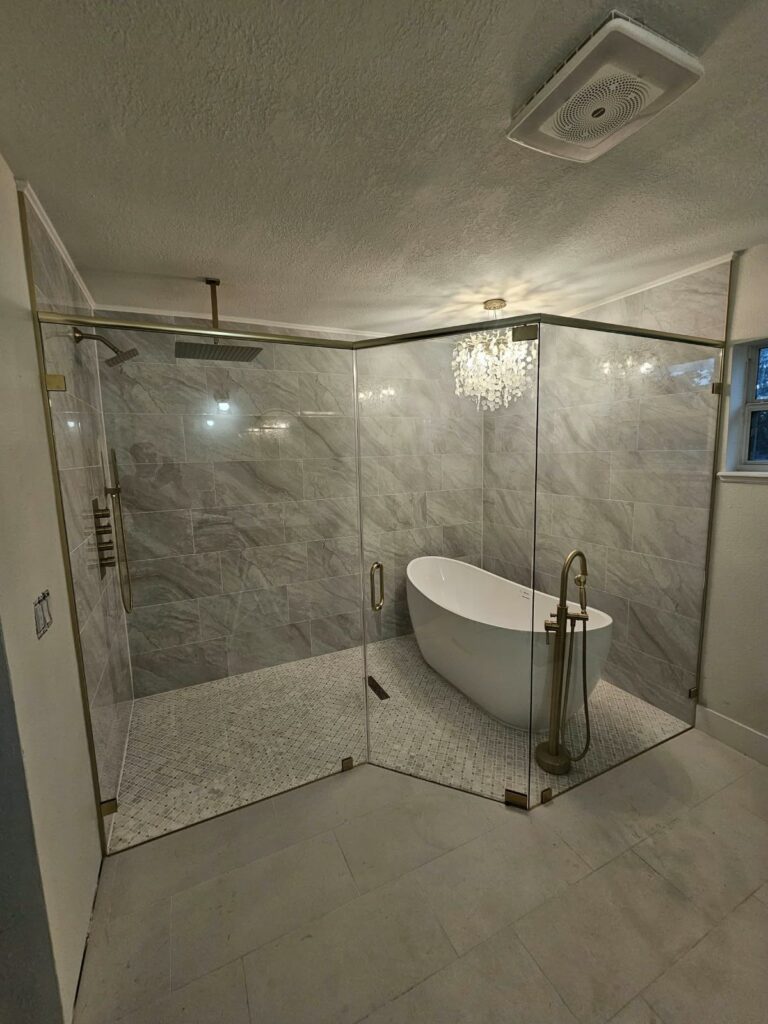
A few choices make a real difference here. In bathrooms, a properly waterproofed shower and a correctly sized exhaust fan are the foundation of any good bathroom remodel.
On floors, porcelain tile or a quality luxury vinyl plank floor handles slab moisture far better than carpet. Under sinks, plywood cabinet boxes resist swelling better than bare particleboard.
A&E 24 Renovations does not do mold remediation, plumbing, or HVAC work. What we do is rebuild the room afterward, with a clear scope and one fixed price before work begins. We often see this in older homes in Golden Gate and central Naples, where original finishes have been living with Florida humidity for decades.
If that is where you are, our page on a fixed-price, owner-led remodel explains how we approach it.
Frequently asked questions
Why does my Florida house smell musty when I come back from up north?
What humidity level should I keep inside a Florida home?
Who should I call about a musty smell?
Can a musty smell come from under the floor?
Planning a project nearby? See how we handle remodeling in Naples and remodeling on Marco Island.
Whatever is behind the smell, we hope this helps you find it faster and fix it the right way — that is the real point of writing it. A&E24 Renovations is Enmanuel and Ashley, a small family team based in Naples. If you are ready to rebuild a room after the problem is solved, you are welcome to reach out any time, no pressure either way.