Bathroom floor tile usually cracks for one of four reasons: the tile was installed without full mortar coverage underneath, the floor below it is moving or flexing, a crack in the concrete slab has transferred up through the tile, or something heavy was dropped on it. A single cracked tile is usually cosmetic. Several cracks in a line, cracks that keep growing, or cracks with loose or hollow-sounding tile around them point to a deeper problem worth investigating.
Here is how to read the pattern in a Southwest Florida home, and when to bring in a professional.
What causes bathroom floor tile to crack?
Tile is hard and strong, but it is brittle. It does not bend; it breaks. So when tile cracks, something underneath it usually moved or was not supporting it properly. The most common causes are:
- Poor mortar coverage. If the tile was set on small dabs of thinset rather than a full, even bed, there are hollow spots underneath. Weight on a hollow spot can snap the tile.
- Slab cracks. Most homes in Naples, Fort Myers, and the surrounding area sit on concrete slabs. Slabs commonly develop small shrinkage cracks, and if the tile was laid directly over one without a crack-isolation layer, the crack can telegraph straight up through the tile.
- Missing movement joints. Tile expands and contracts with temperature and humidity. Without soft, flexible joints at walls and in larger floors, the tile can push against itself and crack or tent up.
- Flexing subfloor. In upper-floor condos or homes with wood subfloors, a floor that is too springy will flex under foot traffic and crack tile over time.
- Impact. A dropped heavy object can crack a single tile with no deeper cause.
- Water damage. A long-running leak near a toilet or tub can soften a wood subfloor or wash out material under the tile.
How do you tell a cosmetic crack from a serious one?
Look closely at the pattern. Each one tells a different story:
- One tile, crack starting from a corner or point of impact. Usually cosmetic, often a dropped object or a hollow spot under that tile.
- A straight crack running across several tiles. Usually a slab crack telegraphing through. Often stable, but worth watching.
- Cracks with tiles that sound hollow when you tap them. A sign of poor bonding underneath. More tiles may crack over time.
- Tiles lifting or tenting up. Usually missing movement joints or a bond failure across a larger area.
- Cracks near the toilet, tub, or shower, with soft or discolored grout. A possible leak. Do not wait on this one.
A simple test: tap tiles gently with the handle of a screwdriver or a coin. A solid tile makes a sharp, clear sound. A hollow tile sounds dull and drummy.
When should you worry about a cracked floor tile?
Call a professional if you notice any of these:
- The crack is getting longer or wider over weeks or months.
- The crack lines up with cracks in walls, door frames that stick, or cracks in other rooms.
- One side of the crack sits higher than the other.
- The floor near the crack feels soft, spongy, or damp.
- You see staining, a musty smell, or a higher water bill.
A crack that is widening, uneven, or showing up in several rooms should be looked at by a structural engineer, who can tell you whether the slab or foundation needs attention. Signs of a leak, such as damp grout, a soft floor near the toilet, or an unexplained rise in the water bill, are a job for a licensed plumber, who can test for leaks, including under the slab. Remodelers like us are not the right first call for either; we come in afterward, once the cause is understood.
Can you fix a single cracked tile yourself?
If the crack is cosmetic and the tile is not loose, you have a few safe, simple options:
- Leave it alone and monitor it. Mark the ends of the crack with a pencil and check every few weeks.
- Fill a hairline crack with a color-matched epoxy or tile repair kit to keep water and dirt out.
- Keep the grout around it sealed so water does not get under the tile.
Replacing a single tile is possible, but it takes care. The grout must be cut out without chipping the neighbors, and the old tile and mortar removed without damaging what is underneath. If the cause is a slab crack or poor installation, a new tile often cracks again in the same place.
Is a cracked shower floor different from a cracked bathroom floor?
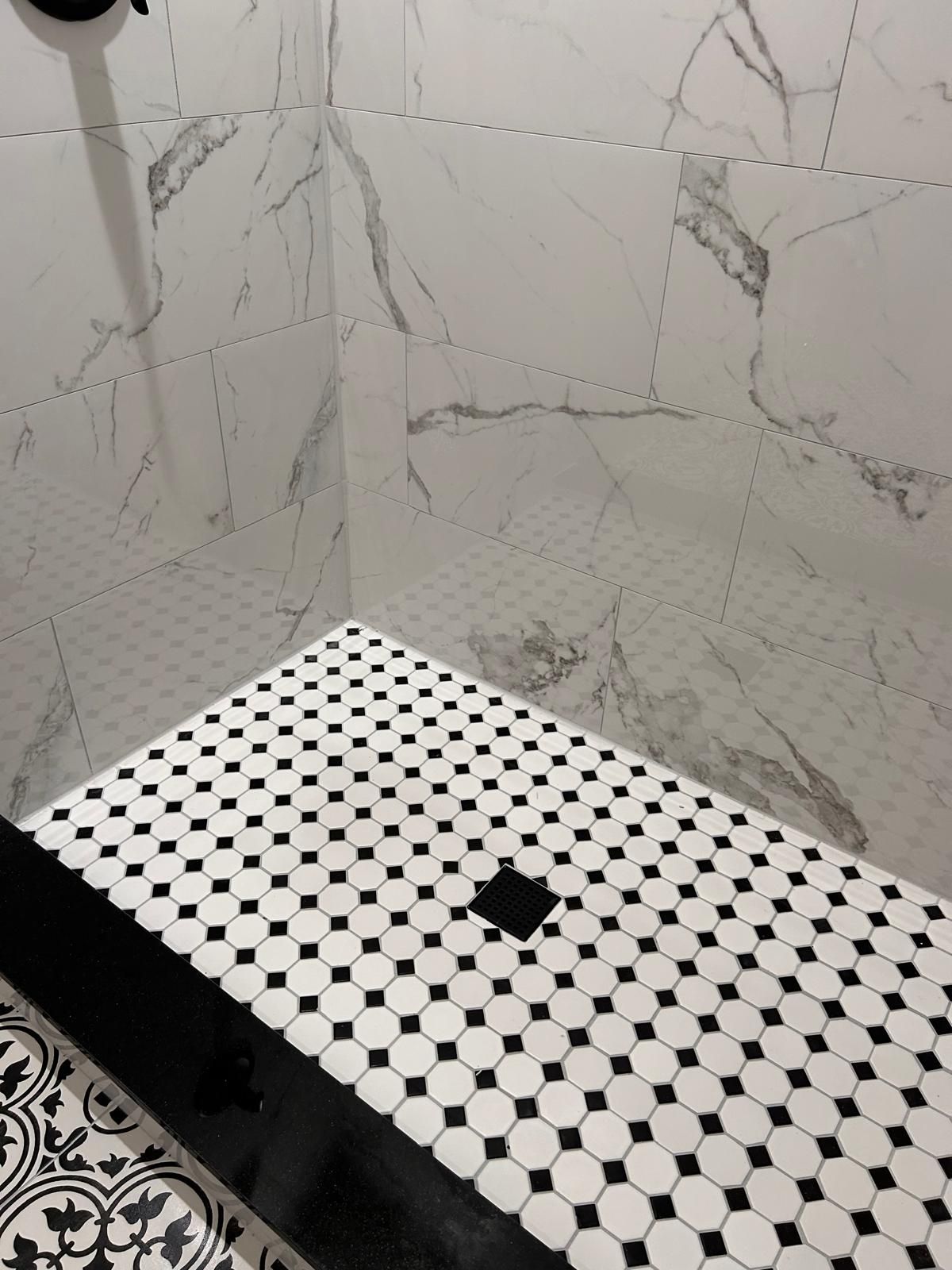
Yes. A cracked tile in a shower floor matters more, because a shower is designed to hold water back. A crack there can let water reach the layers underneath. If the waterproofing below is sound, a single crack may not leak right away, but it is worth addressing soon. How those layers are built is a topic of its own, covered in our guide to how a shower is waterproofed under the tile.
How do you prevent tile from cracking again?
If the floor needs to be redone, the fix is mostly about what goes underneath. A well-built tile floor in a Southwest Florida home typically includes:
- A clean, flat, properly prepared slab or a stiff subfloor.
- A crack-isolation membrane over known slab cracks, so small movement does not reach the tile.
- Full mortar coverage under every tile, especially large-format porcelain.
- Movement joints at the walls and in larger floor areas, filled with flexible sealant rather than grout.
That is the difference between tile that lasts decades and tile that cracks in a few years. Good tile and flooring installation is mostly invisible once it is done, which is exactly why it is worth asking about before the job starts.
When does it make sense to redo the bathroom floor?
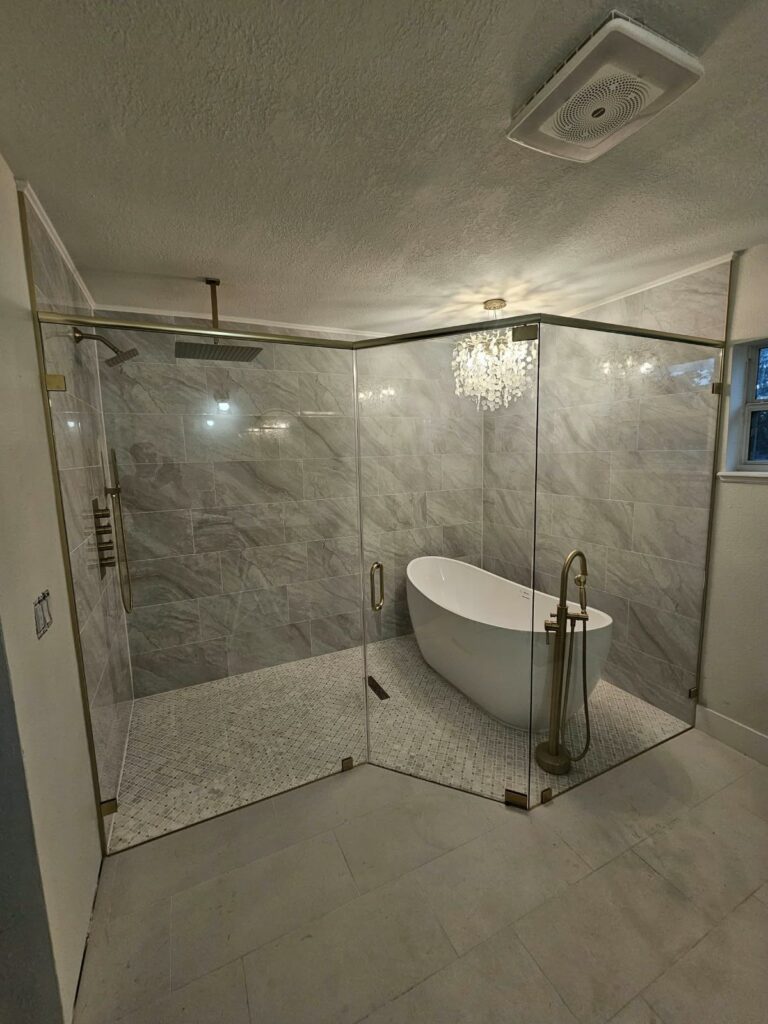
If many tiles are hollow or cracked, the floor is a mismatched patchwork, or you are already planning to update the shower, it often makes sense to replace the floor as part of a larger project rather than chasing one tile at a time. That is common in Naples homes from the 1980s and 1990s, where original tile was set before crack-isolation membranes were widely used. A careful tile and shower project can address the floor and the shower together, with the same tile and the same prep underneath.
We see this often with owners of older homes looking at bathroom remodeling in Naples, especially when the cracked floor is one more reason the old tub-and-tile setup has to go.
A&E 24 Renovations, the family remodeling team of owners Enmanuel and Ashley, builds new floors and showers once any structural or plumbing questions have been answered by the right professional, with one fixed price in writing before work begins. If a new shower is part of your plan, our page on a walk-in shower in Naples shows how that project comes together.
Frequently asked questions
Is a cracked bathroom floor tile a sign of foundation problems?
Can a cracked tile cause a leak?
Why does new tile crack over the same spot?
How can I tell if a tile is hollow underneath?
Planning a project nearby? See how we handle remodeling in Estero and remodeling in Golden Gate.
Whatever is behind the crack, we hope this helps you figure out whether to watch it, patch it, or call someone — that is the real point of writing it. A&E24 Renovations is Enmanuel and Ashley, a small family team based in Naples. If you are ready to replace a tired bathroom floor, you are welcome to reach out any time, no pressure either way.