Salt air damages homes by settling a fine film of salt on metal, paint, and stone, which then draws moisture from the humid air and speeds up corrosion, pitting, and peeling. In Southwest Florida, the effects show up first on outdoor fixtures, door hardware, sliding-door tracks, and anything metal near an open window. You can slow it down a great deal with the right materials and a simple rinse-and-wipe routine.
Here is what salt air actually does, which parts of a home it hits hardest, and how to protect the finishes you have, or choose better ones next time.
How does salt air damage a home?
Ocean spray carries tiny salt particles inland on the breeze. They land on every surface and stay there until they are washed off. Salt is hygroscopic, which means it draws water out of the air. In a place as humid as the Gulf Coast, that creates a thin, salty, wet layer that sits on your finishes much of the year.
That layer does three kinds of damage:
- Corrosion. Metal oxidizes faster. Cheap chrome plating bubbles, steel screws rust and stain, and aluminum develops a white, chalky crust.
- Coating failure. Paint and clear coats lose adhesion, especially where salt sits in a crack or edge, so they blister and peel sooner.
- Etching and staining. Salt deposits leave a haze on glass and can dull some natural stone and grout over time.
How far inland does salt air reach?
The heaviest exposure is on the beach and the first few blocks inland: Marco Island, the Gulf-front condos along Vanderbilt Beach and Park Shore, and homes on the water in Bonita Springs and Fort Myers Beach. Salt can still travel a mile or more on strong onshore winds, and homes on canals and bays get their own share. Further inland, like Golden Gate or Ave Maria, salt is less of a factor, but humidity and sun still age finishes in similar ways.
If you live on or near the water, assume salt is part of daily life for your home, inside as well as out. Every time the sliders open, the salt comes in too.
Which parts of your home show salt damage first?
Watch these spots, roughly in the order they usually fail:
- Exterior light fixtures, hose bibs, and door handles.
- Sliding glass door tracks, rollers, and lanai screen frames.
- Hinges, screws, and hardware on cabinets near windows and doors.
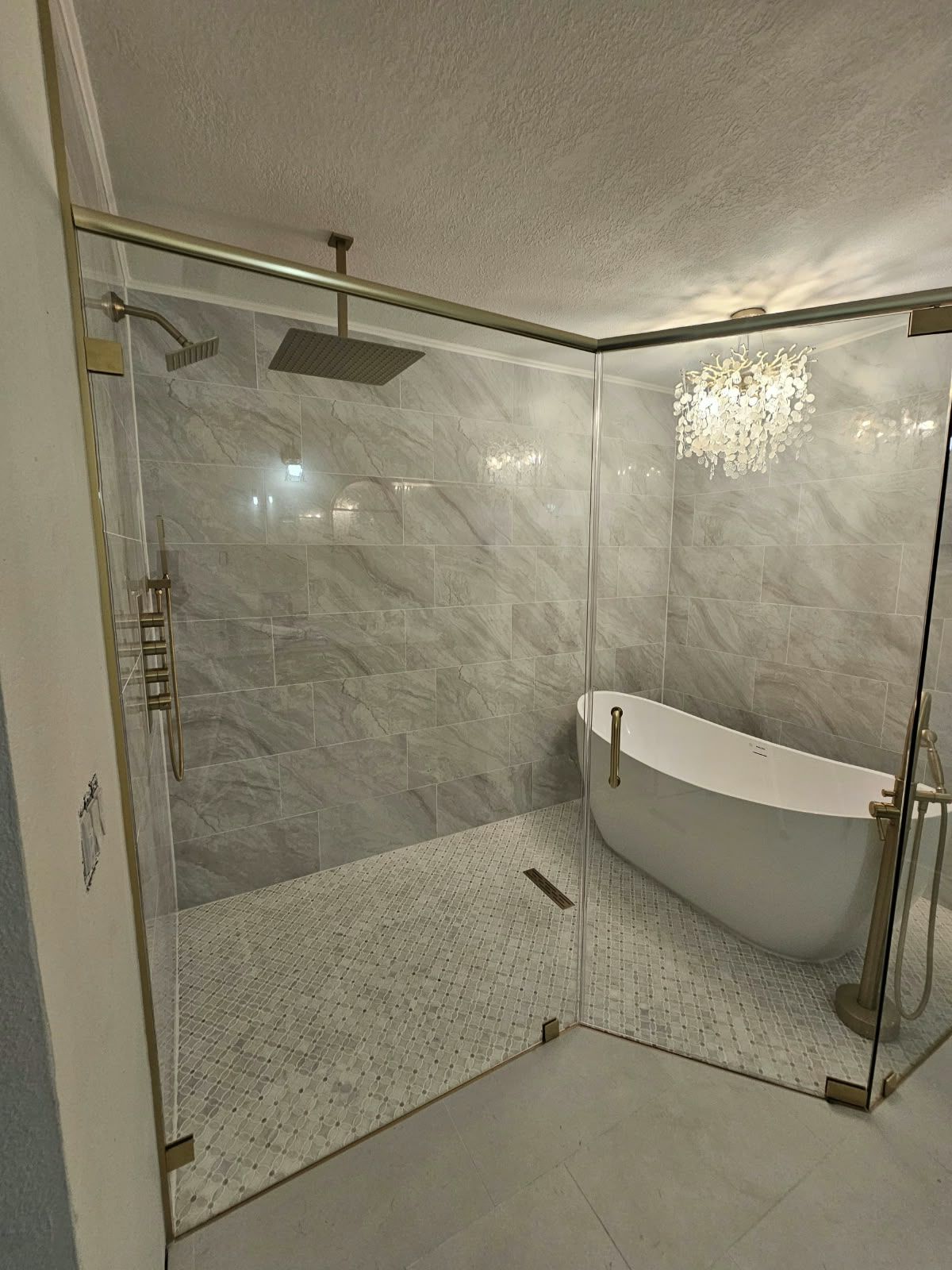
- Faucets and shower trim with thin plating.
- Painted window sills, door frames, and trim, particularly on the side facing the water.
- Appliance exteriors, especially lower-grade stainless steel, which can show small rust spots called tea staining.
Small orange spots, a white powdery bloom, or finish lifting at the edges are the early signs. Caught early, most of it can be cleaned and slowed.
How can you protect the finishes you already have?
A regular routine does more than any product:
- Rinse outdoor metal with fresh water every few weeks, and after storms with heavy spray.
- Wipe indoor hardware and fixtures near the water side of the home with a damp cloth, then dry them.
- Clean slider tracks regularly and lubricate rollers with a product meant for the job.
- Touch up paint at the first sign of a chip or crack, before salt and moisture get underneath.
- Run the AC to keep indoor humidity down, which slows corrosion on everything inside.
- Keep windows closed on windy days when the spray is heavy.
Seasonal owners should arrange for someone to do a light version of this while they are away. A house that sits closed for six months with salt film on every surface ages fast.
Which materials hold up best near the Gulf?
When it is time to replace something, the material choice matters more than the brand. Generally, these hold up better on the coast:
- Hardware and fixtures: solid brass, high-grade stainless steel (often listed as 316 or marine grade for outdoor use), and quality PVD finishes. Thin plated finishes over base metal tend to fail first.
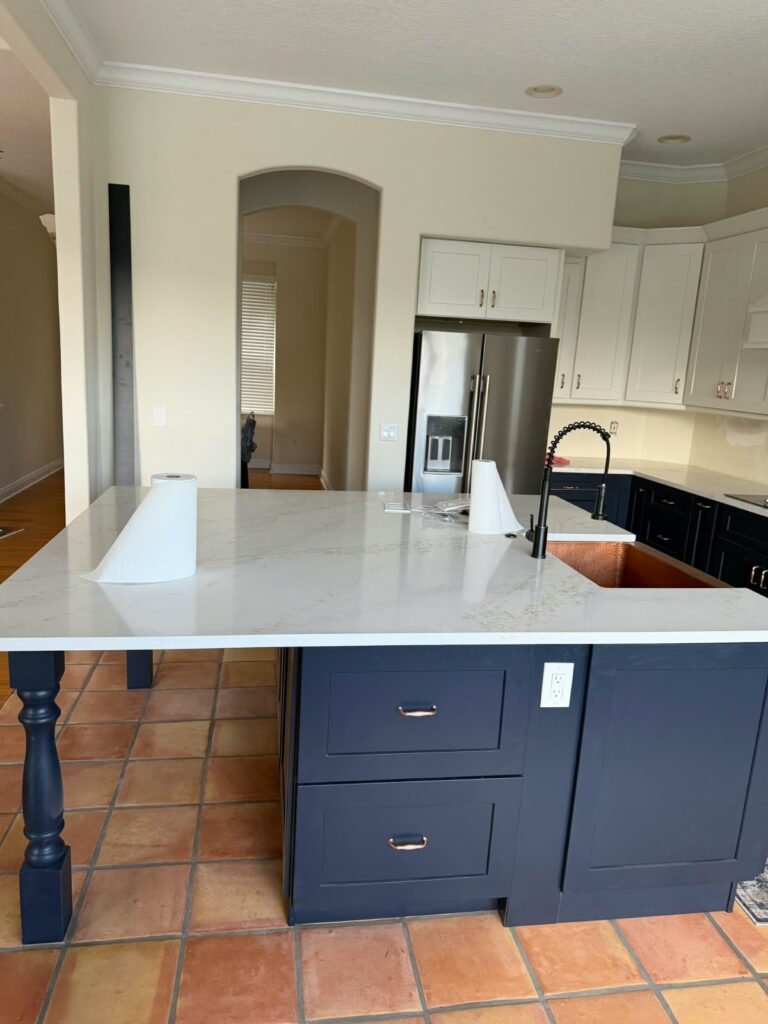
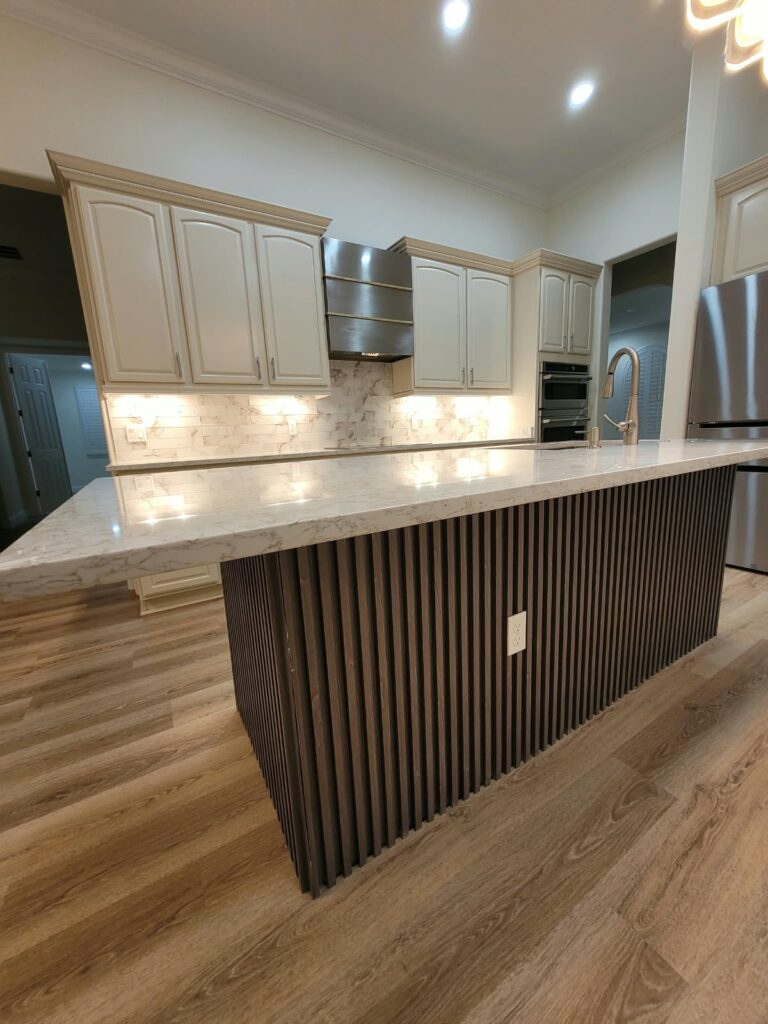
- Counters: quartz and most granites shrug off salt and humidity. Some softer marbles can etch and need more care.
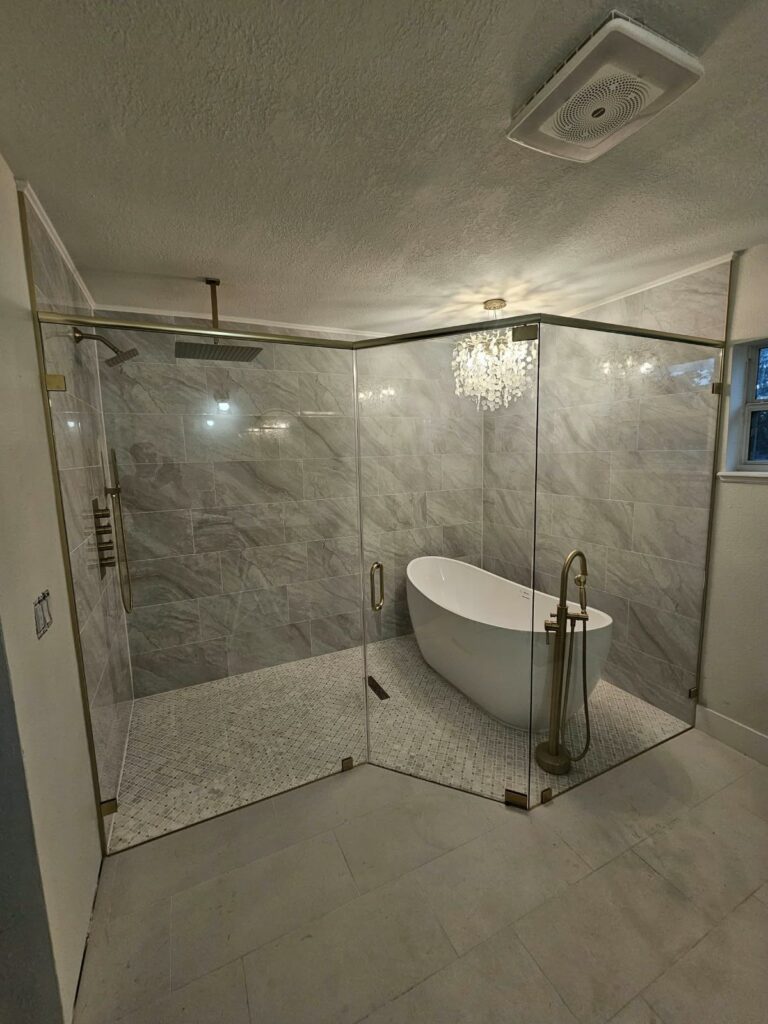
- Flooring: porcelain tile is close to indestructible in salt air and humidity.
- Paint: high-quality exterior paint with good primer, and semi-gloss or satin finishes on trim that wipe clean easily.
For kitchens specifically, we wrote a separate guide to coastal kitchen materials that survive Gulf humidity, so we will not repeat it here.
Does salt air affect paint and cabinets inside the house?
Yes, though more slowly than outside. Painted surfaces near sliders and windows take the most exposure, and cheap interior paint chalks and stains faster in a humid, salty home. A fresh coat of quality paint with proper prep is one of the most affordable ways to protect walls and trim; a careful interior painting job starts with cleaning off that salt film so the new coat actually bonds.
Cabinets are the other indoor weak spot. Low-grade particleboard boxes swell when humidity gets into an edge, and cheap hinges rust in a few seasons. Plywood boxes, sealed edges, and solid hardware are worth the difference in a coastal kitchen or bath, which is why we pay close attention to construction when we plan custom cabinetry for homes near the water.
When is it time to replace rather than protect?
Cleaning and touch-ups slow salt damage but will not reverse it. If plating is flaking off a faucet, a cabinet hinge will not hold, or paint keeps peeling in the same spot no matter how often you touch it up, it is time to replace that piece with something better suited to the coast. Rust stains bleeding through paint, soft or crumbling window sills, and failing slider frames can also hide water intrusion, which is a job for the right specialist, such as a window and door company or, if framing is affected, a structural engineer.
For homes on Marco Island and other waterfront areas, it often makes sense to replace finishes in one planned project rather than piece by piece. Many seasonal owners schedule that work for the months they are up north, so they come home to a finished room.
A&E 24 Renovations, run by owners Enmanuel and Ashley, plans those projects with one fixed price in writing before work begins; our page on a summer remodel while you are away explains how that works.
Frequently asked questions
How do I stop salt air from rusting my fixtures?
Does salt air affect homes that are not on the beach?
What countertop is best for a home near the ocean?
Is stainless steel safe from salt air?
Planning a project nearby? See how we handle remodeling in Naples and remodeling in Bonita Springs.
However you decide to care for your home, we hope this helps your finishes last a few more seasons — that is the real point of writing it. A&E24 Renovations is Enmanuel and Ashley, a small family team based in Naples. If you would like a second opinion on what to replace and what to keep, you are welcome to reach out any time, no pressure either way.