Condo remodeling in Naples comes down to two things: the work itself, and the building rules that decide when and how that work can happen. Most Naples condo projects are kitchens, bathrooms, and flooring, and the ones that go smoothly are planned around the association’s work hours, elevator reservations, sound-underlayment standards, insurance requirements, and seasonal work windows before anyone picks a tile. Here is a practical guide for owners, from what to ask the building to when to schedule.
What do Naples condo owners usually remodel?
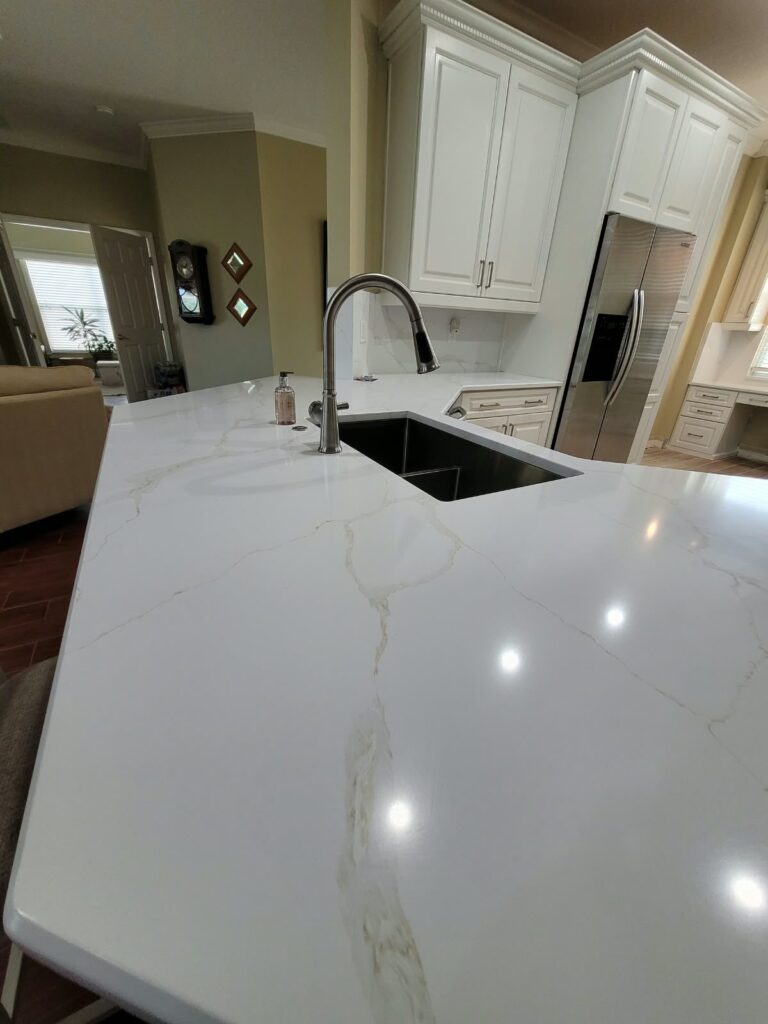
In Park Shore, Pelican Bay, Vanderbilt Beach, and the older mid-rises along the Gulf, the requests are remarkably consistent. Owners want a 1980s or 1990s unit to feel like today: a brighter kitchen, bathrooms that are easier to use, and one continuous floor in place of worn carpet and mismatched tile. If the kitchen is where you want to start, our page on kitchen remodeling in Naples covers how a condo kitchen typically comes together, from opening a closed galley to new cabinets and stone.
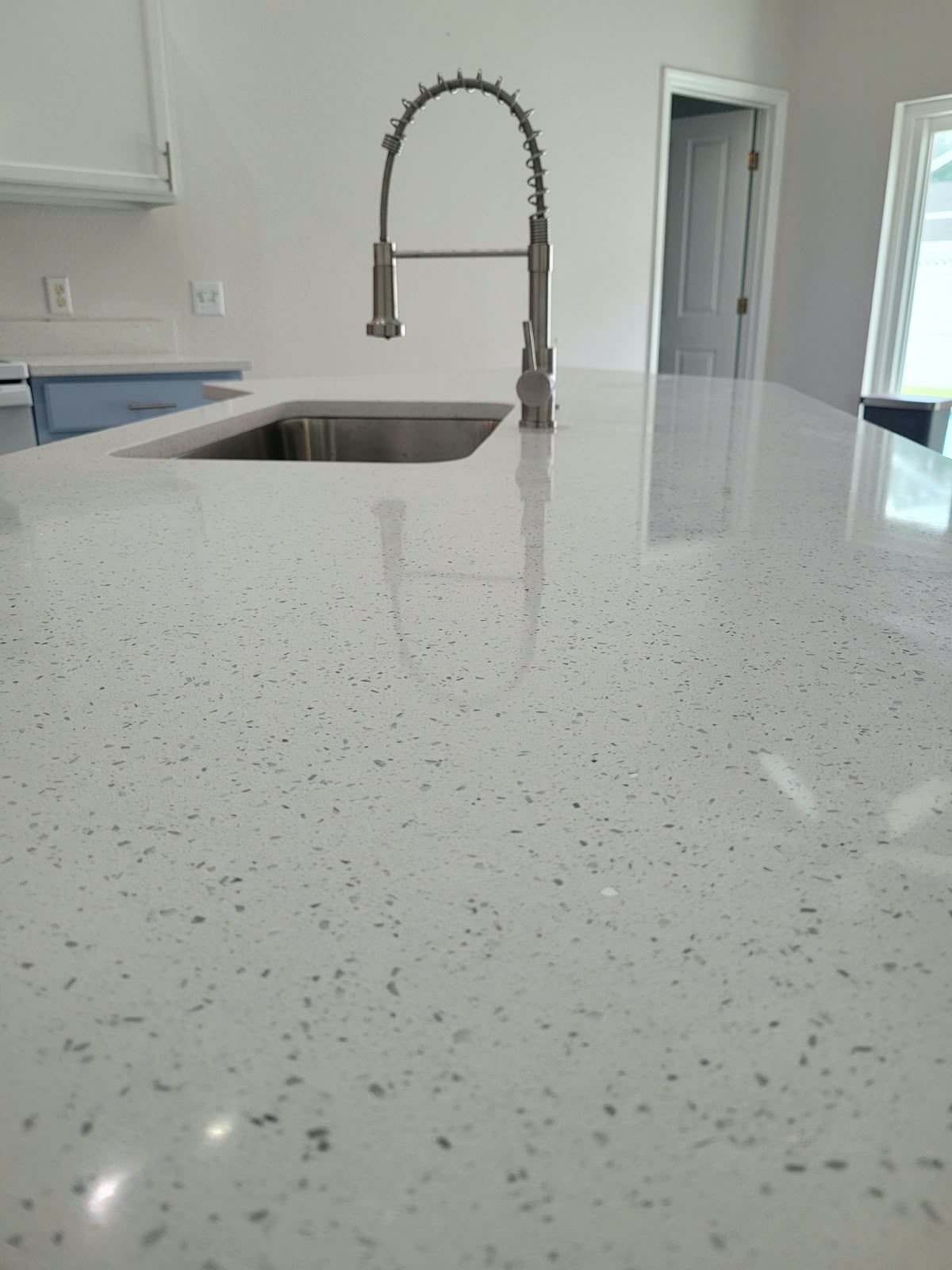
- Kitchens. New cabinetry, quartz or stone counters, better lighting, and sometimes opening a wall to the living room if the building allows it.
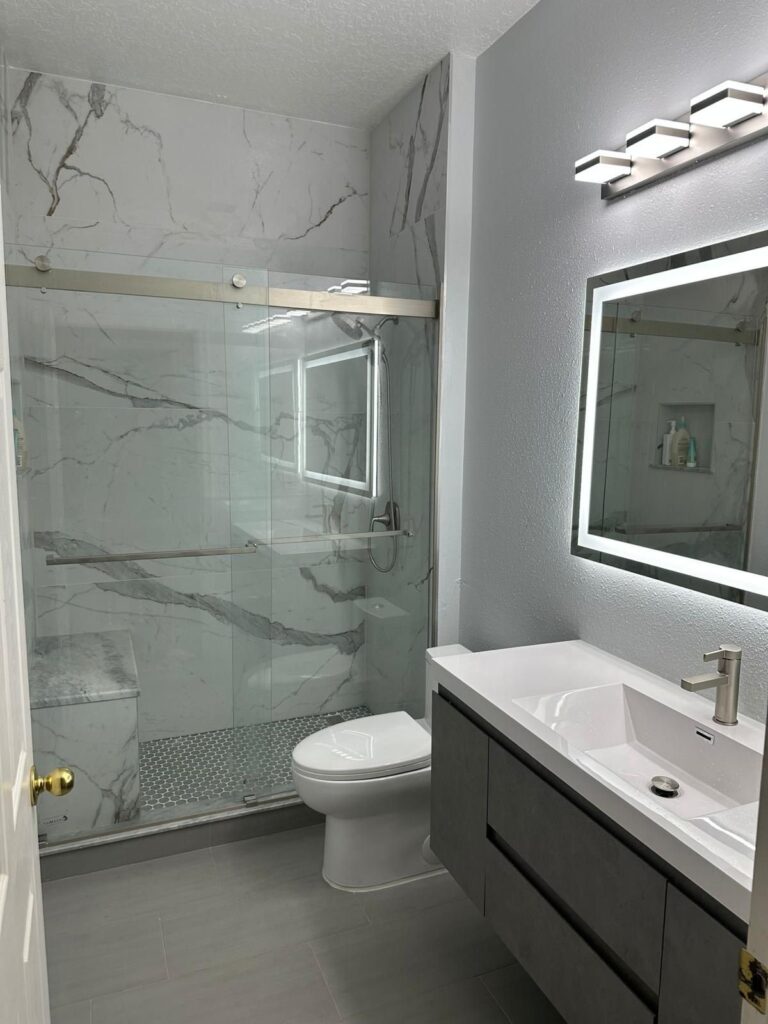
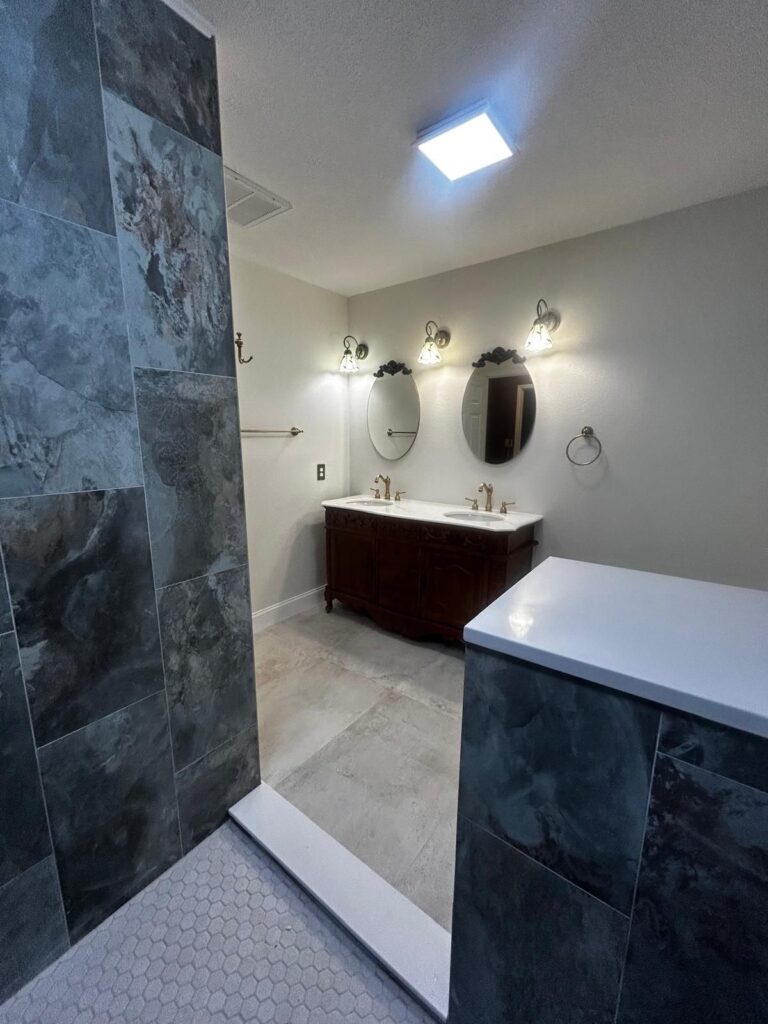
- Bathrooms. Replacing a tub with a walk-in shower, new vanities, and cleaner tile with fewer grout lines.
- Flooring. Removing carpet and dated tile in favor of porcelain or luxury vinyl plank throughout the unit.
- Paint and finishes. Fresh walls, doors, and trim to tie the whole unit together.
Which building rules affect a condo remodel?
Every association writes its own renovation rules, but most Naples buildings cover the same ground. Ask your property manager for the full set early, because these rules shape the schedule more than the design does.
- Work hours. Usually weekdays only, often with a later start and earlier finish than a house job, and no noisy work on weekends or holidays.
- Elevator reservations. Deliveries and debris typically move through a service elevator that has to be booked, sometimes with pads installed first.
- Hallway and common-area protection. Floor runners, wall protection, and a clean path from the elevator to your door every day.
- Debris rules. Where it can go, how it leaves the building, and the fact that it can never sit in a shared hallway.
- Sound underlayment. Most buildings require a specific acoustic underlayment beneath any hard flooring so the neighbor below does not hear every footstep.
- Seasonal work windows. Some buildings limit major work to the off season, roughly May through November.
Some associations also ask owners to submit an alteration application and wait for approval before work begins. Whether yours does, and what it needs, is a question for your board or manager. Our post Will the Board Even Approve This? walks through what those packets usually include and why they stall.
Why does sound underlayment matter so much?
Flooring is where condo rules bite hardest. Many buildings set a minimum sound rating for anything hard — porcelain, stone, wood, or vinyl plank — and some want product data showing the underlayment meets it. Plan for this from the start: the underlayment adds height, which affects door clearances and transitions to the balcony and bathroom. Choosing a floor without checking the building standard is one of the easiest ways to have to redo work. Our flooring page explains the options that work well over a concrete slab.
What should you know about insurance certificates?
Most associations want a certificate of insurance on file before anyone starts, and many specify coverage limits and exact wording, such as naming the association as an additional insured. Ask the property manager for those requirements in writing and share them with whoever you hire before you set a start date. A&E 24 Renovations is fully insured, and we review a building’s insurance requirements with the owner during planning so nothing comes up at the front desk on day one.
How should you plan around season?
In Naples, the calendar is part of the design. Most condo owners are here from roughly January through April, the same months the building is fullest and least tolerant of noise. That makes season the right time to plan and the off season the right time to build.
- In season: meet, measure, choose finishes, read the building rules, and ask the board what it needs from you.
- Late spring: confirm the scope and price in writing, order materials with long lead times, and reserve elevator dates.
- Summer and early fall: do the work while the building is quieter and many owners are up north.
- Before you return: final walkthrough and touch-ups so the unit is ready when you are.
If you will be away during the work, our summer remodel page explains how an owner-led project runs while you are out of state, with weekly photo updates and coordination with your Home Watch company or property manager.
What does a typical condo remodel cost?
As planning ranges, kitchen projects in Naples tend to run roughly $12,000 to $45,000 for a refresh that keeps the layout, $30,000 to $90,000 for a mid-range remodel, and $90,000 and up for custom work. Bathrooms tend to run roughly $8,000 to $15,000 for a cosmetic refresh, $15,000 to $35,000 for a mid-range remodel, and $45,000 and up for a full primary bath. Condo logistics — protection, elevator time, restricted hours — are part of the real cost, so make sure any quote accounts for them. A&E gives one fixed price and scope in writing before work begins.
What does A&E do on a condo project?
Our role is practical. We plan the project with you, help you understand what your building and your project are likely to need before any work begins, schedule the work around the building’s hours and elevator rules, protect the hallways and common areas every day, and keep your Home Watch company or property manager in the loop. The association steps themselves belong to you as the owner, and we help you plan for them so they do not catch you by surprise. If your project also includes the bathrooms, see our bathroom remodeling service for how those come together.
Frequently asked questions
When is the best time to remodel a condo in Naples?
Do I need sound underlayment for new condo floors?
What should I ask my condo association before remodeling?
Can I remodel my Naples condo while I am up north?
Planning a project nearby? See how we handle remodeling in Naples and remodeling in Marco Island.
However you decide to go about it, we hope this leaves you with a clearer, calmer path forward — that is the real point of writing it. A&E24 Renovations is Enmanuel and Ashley, a small family team based in Naples. If you would like a second set of eyes on a condo project and how to plan it around your building, you are welcome to reach out any time, no pressure either way.